
EAN-13 Barcode Information & FAQ
What is an EAN-13 barcode?
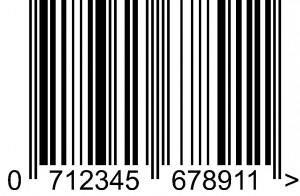 The 13-digit European Article Number (EAN-13) is the most commonly used retail barcode worldwide, and the standard retail barcode in Jamaica. Its 12-digit equivalent, the Universal Product Code (UPC-A), is more commonly used in the United States and Canada. A retail barcode is a string of numbers which has never been used on a product in a shop before. The utility of this system is that it allows product information, such as price, stock, and description, to be quickly recalled at the point of sale or during other shop operations, without the risk of two different products sharing the same number. Most shops require high-quality barcodes to be printed or attached to all incoming goods, as modern checkouts rely on barcodes to serve customers as quickly as possible.
What are EAN-13 barcodes used for?
The EAN-13 is used as a product identifier in retail environments. Having product information available by simply scanning a barcode is invaluable to retailers, not only for selling goods at checkout but also for receiving goods, tracking stock, reordering low-stock items, and quickly providing customers with product details. Every unique product needs its own barcode. For example, mint-flavoured gum and watermelon-flavoured gum made by the same company would both use different barcodes; however, a single barcode is enough to sell an unlimited number of that gum type. This allows shops to set different prices for different flavours and track stock for each variant, ensuring they don’t run out of any flavour.
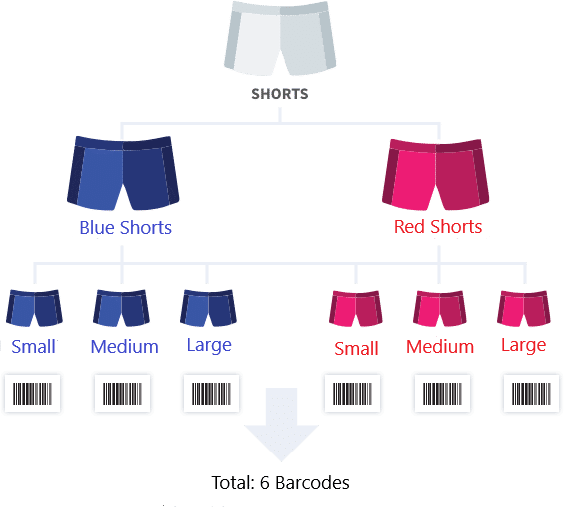
How are EAN-13 barcodes kept unique?
The system of retail barcodes as product identifiers is only effective if the numbering system is regulated to prevent reusing the same number. If anyone could make up their own number, chaos would follow when two different products used the same code. This is done by carefully controlling the issuance of EAN-13 barcodes so that each number is assigned only once. There are two ways to get officially assigned and genuine barcodes. The first is through membership in an organisation called GS1, which typically rents out large blocks of numbers for a yearly fee. The second way is to purchase barcode numbers in the desired quantity from a legitimate barcode reseller, such as Barcodes Jamaica. These barcode numbers are GS1-origin (meaning they are unique and have never been assigned to a company before) and can be sold individually.
When were they introduced?
The Uniform Code Council (UCC) developed the first retail barcodes in the USA during the early 1970s, and in 1974, in Ohio, the first barcode was used on a pack of chewing gum. Since then, barcodes have become the worldwide standard for identifying retail products because of their simplicity, clarity, and efficiency.

Other types of retail barcodes
While EAN-13 barcodes are the most commonly used in Jamaica, other variants serve slightly different purposes or are popular in other parts of the world. Some other types of barcodes that are used in retail are:
UPC-A: This 12-digit barcode is the most commonly used retail code in North America. It serves the same purpose as an EAN-13, and Barcodes Jamaica can supply every retail barcode in either format. Most shops worldwide accept both. See EAN-13 vs UPC-A Barcodes for more detail.
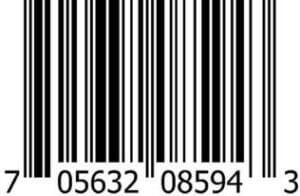 EAN-8: This 8-digit barcode is used for very small products which cannot fit a standard retail barcode. You can only obtain these by renting them from GS1, and they are carefully managed due to limited supply.
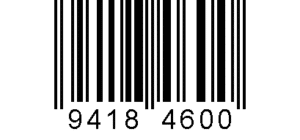
ITF-14: Also known as a TUN or carton barcode, this 14-digit code is used on goods to process shipments from suppliers. ITF-14 barcodes should not be printed on products sold over the counter.
QR Code: While some shops are experimenting with using QR codes for over-the-counter purchases, most QR codes in a retail setting are used by the manufacturer to link to some sort of content that will provide value to consumers – a website, instruction manual, video, or any other online resource.

Advantages of EAN-13 barcodes
EAN-13 barcodes bring a host of advantages to manufacturers, suppliers, retailers and customers, including:
- Shortening checkout wait times for customers by efficiently accessing product details like the price
- Reducing human error through the use of scanners instead of manual number entry
- Stocktaking with a single scan instead of counting individual products
- Easy processing of inwards goods with an integrated and developed barcoding system
- Tracking of goods throughout the supply chain
- Access to larger retail shops that require barcodes for all stocked products
- Operational simplicity reduces the employee training required
For the technical details, see EAN-13 Symbology (including how the check digit is calculated) and EAN-13 & UPC Specifications.